To Live Like You’re Being Chased
Some things are too much to remember, so we remember the light.
I am on the footpath with my parents and dog saying “Oh my God” over and over. We watch time happen on this path, and I can’t believe my eyes. The sky sleeps in winter milkiness, then gets slit down the belly by birds returning home in March. We watch branches grow green warts while the cracked soil heals. Heat brings the gnats back, rain brings the mosquitos back; they hover over the river humming their doomsday song.
The light is changed by the year, is my point. It leaves and returns. It slices and swells and drips down the near side of the trees when the sun sinks to eye-level.
The light is changed by time, is my point. Yesterday was April 17th, which means it’s been six months since I left New York. I went because I thought New York was all light. It wasn’t all light, and I realized that quickly, but I thought it was enough that there was at least some light, all of the time. Everything felt electric with awakeness. Everything felt sweet in the back of my throat. Everything felt like the first time I was seeing things for real. Everything felt like the first time.
I went for a run on my first morning in New York.
I started running three years ago to manage a sensation that had started knocking around in my ribcage and skull. A black hole was tugging on my heels. It was commanding and directive, threatening and magnetic. I tried therapy for it, but quit because my therapist never wore shoes. Not even socks. She sat cross-legged and barefoot while her dog paced against the walls of the office, approached me prayerfully, and nosed my hand for acknowledgement. My mom and I named that therapist “Toes.”
I told Toes that there were certain streets I couldn’t walk on; there were arbitrary days and months that I was afraid to experience because they felt preemptively contaminated, and I’d been waiting for an imprecise Big Bad Thing to happen since I’ve been able to think. “But it’s not OCD,” I punctuated. “I swear.”
“Let’s work on that feeling,” she suggested. “The feeling that calling it OCD is threatening to you.” I wanted to say No, why don’t we work on wearing socks. Putting our toes away. Getting the dog a water bowl so he stops panting in the corner. She said I sounded paranoid. I asked if she was mad at me.
I did a lot of blinking and blank-staring in that office. She didn’t understand the black hole, which hurt me and shut me down. I ghosted her when I started to feel like the dog: performing distant laps around the problem, asking to be looked in the eye, refusing to tend to myself. I knew tricks. I could offer a paw or flatten onto my belly on command, making it seem like I understood words and language, but I was a mimicry machine.
I performed stability and jailbroke therapy. The black hole kept pulling, so I kept running. The running kept me functioning, it made me feel balanced enough—for every action, there is an equal and opposite reaction, so the runs got longer.
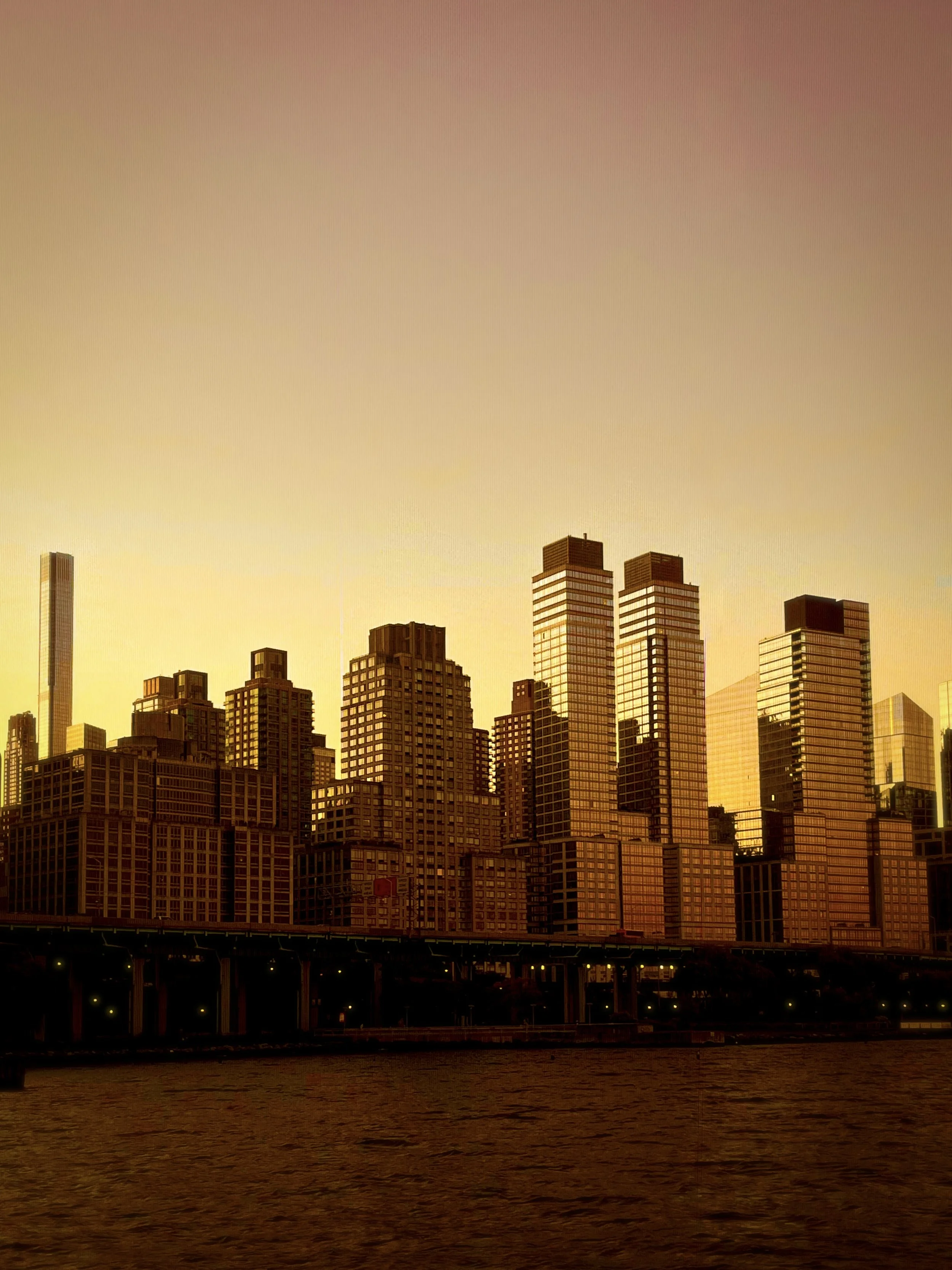
I thought New York was all light, but what I’d seen and thought was light was movement, speed, inertia. I went for a run on my first morning in New York and it felt like Mars. The sky was red and we were all running because running was the only option—the ground is paved with burning coals, and if you stop, your feet will scorch, your body will begin molting its skin, you will slide out of your crisp shell of Body and slip soundlessly into the Hudson River.
I ran to learn the names of things. Someone once ran through that city naming things. You learn to incant them, whispering the names as you scan your eye over the red line on the MTA map. It becomes a hurried lullaby. The Intrepid Museum meant I was safe to turn around, run back; until it didn’t, and Little Island meant I was safe to turn around; until it didn’t, and the World Trade Center meant I was safe to turn around; until it didn’t. I don’t know light. I don’t know how to match the sharp white speed of time. I do know how to run. I do know devotion.
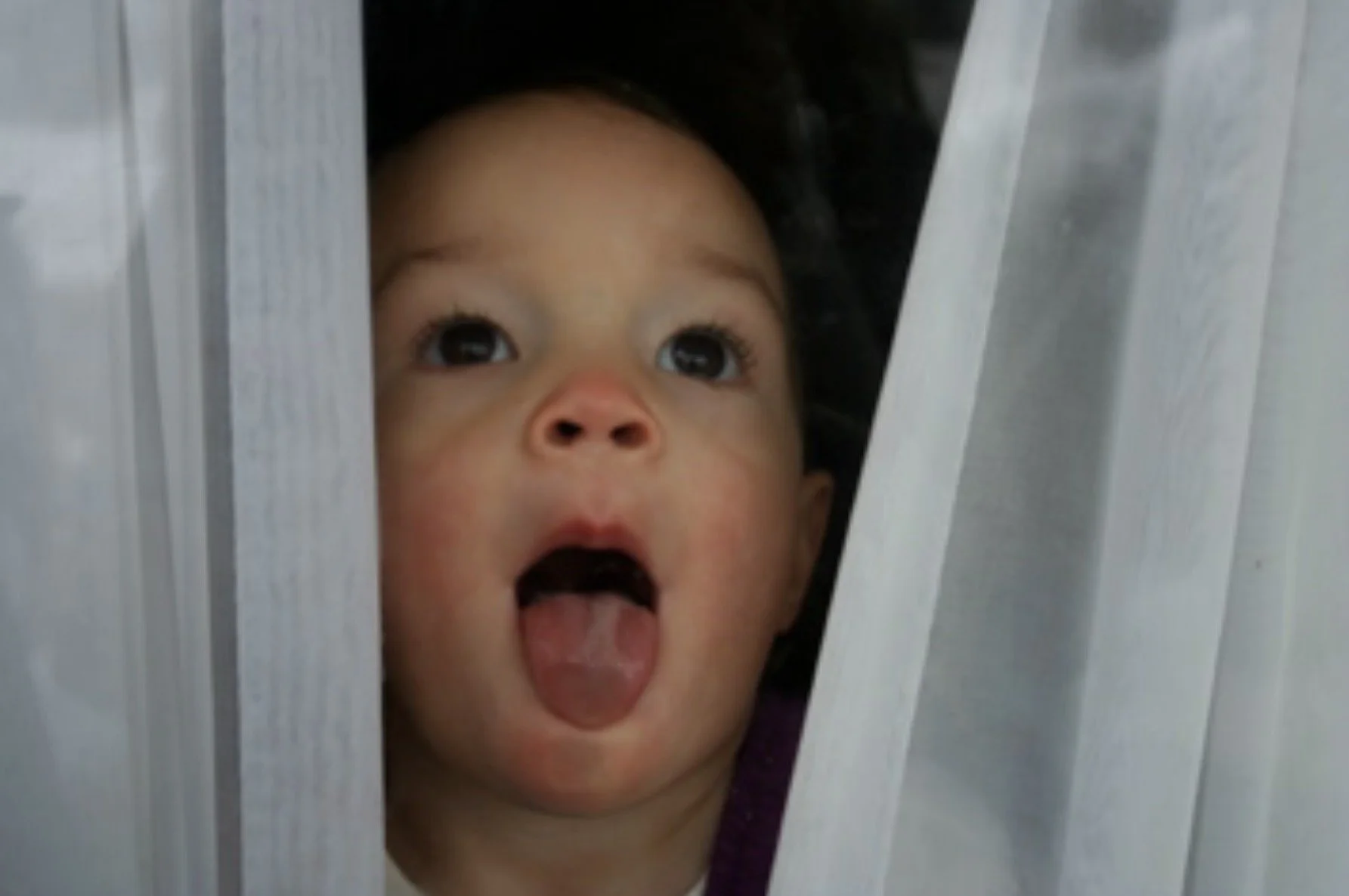
A city that moves at the speed of light will make your dark obvious. Its silver sharpness will reflect, to you, the core of your core. It will peel you and pith you, it will show you that you are slow and small. There was a photo of me taken on the late edge of May in 2010, where I’m staring out a window with my tongue flattened against the glass. I don’t know what was outside, but clearly, looking didn’t feel like enough to her. A shiny city was irresistible to the child who understood everything by touch. She had to hold to see, taste to understand, grip the contours of something to understand its shape.
A shiny city was irresistible to a child who understood everything by touch, and who remembers everything as a sense memory still. I imagine the West Side Highway—Mars—and its burning coals, and I feel the cadence of the running. My calves tighten, time collapses in on itself, physics dissolves into material fact: pavement and breath and body. I can feel this body falling apart underneath me again, pouring itself out along that path, leaving just the muscles and bones of this animal with blood pumping from a muscle the size of a fist.
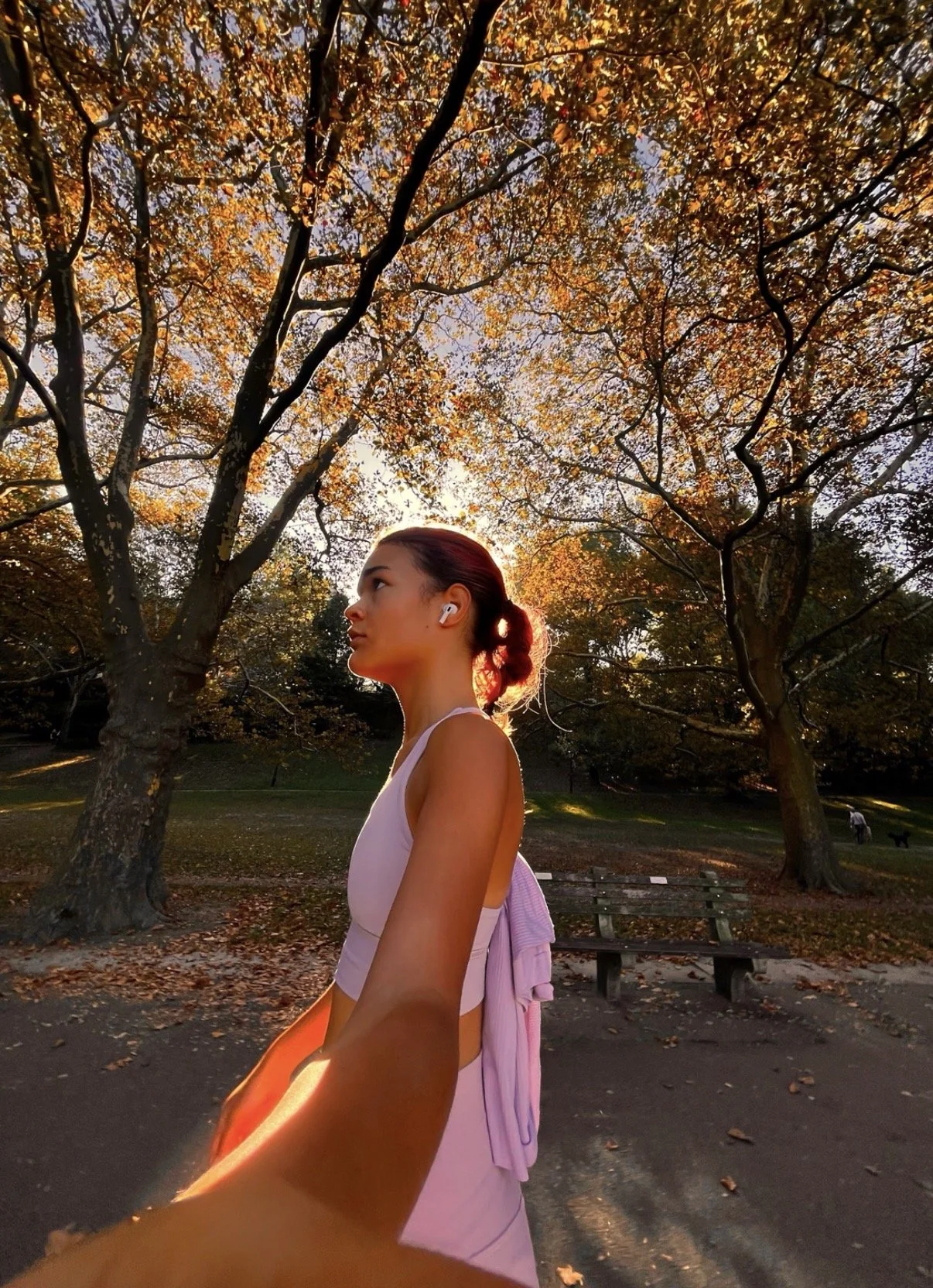
I don’t know if I was chasing the light or if the light was chasing me—the idea folded and became more primitive and simple. Move. I wanted to chase the light until I found the other side, until I could hold it in my fist and swallow it and fall asleep. But sometimes the light is the flagrant sun, burning a halo into your forehead.
The worst thing about ideas: they don't die. No pesticide of logic or truth can put the thing down, so instead you wrestle it into distance, coax it into a Pandora’s box. You beg it to calm down. If you try to make it real, both of you won't survive—it's not you or it, but you both or nothing.
I did get the halo, or maybe I got burnt; there are a lot of photos of me from that month where I look like an angel—dead, gone, and surrounded by only light. A city that moves at the speed of light will make your dark obvious, except it wasn’t a poem, it was dying. The weather turned cold, the light was changed and used by time. I knew something was wrong when the light was gone and I still felt chased. I knew something was wrong when the sky was black and the rain was abusive, but I couldn’t stop myself from sticking my head and arms through a trashbag and running anyway. My legs were goose-bumped and blood-blotched and creaking, but as long as they held me upright, I would use them.
I floated through those streets like Ophelia through the river;
poor Ophelia
Divided from herself and her fair judgment,
Without the which we are pictures or mere beasts.
It was a wild place to be, and I don’t think about it because I don’t like the somatic memory of that time in my body. When you are in a wild place, you don’t remember the place so much as the wild that grows in you. I remember thinking, good thing my mom isn’t here to see this. Good thing I can’t feel my legs because I can’t feel this body. Good thing there are birds here. I think wild does save you, eventually. The wild of the birds is what draws them south when the light is changed by time. And that wild migratory response was triggered in me, and I got home.